


Emerging Frontiers in Cardiac Sciences: Innovations Transforming the Future of Heart Disease Management
- Ifza Zia

- Mar 23
- 3 min read
Contributing as one of the many leading primary causes of morbidity and mortality all across the world, cardiovascular diseases (CVDs) crucially need an ongoing innovation in the field of prevention and treatment approaches. Recently developed amendments and future developments in cardiac sciences have emphasized on using multidisciplinary techniques and methodologies to address and advocate for consistent issues like plaque disease, emerging risk of atherosclerosis, heart failure, and noticeably hypertension. Remarkably,several current research studies have highlighted the importance of controlling variable and modification-based risk factors for instance blood pressure and lifestyle patterns,including earlier stage risk detection and personalized and individualized management. Globally prospective cardiovascular research in 2025 has unravelled several important gaps in the management and prevention measures of any disease, leading to the promotion of the creation of targeted therapies and treatments alongside of the enhanced diagnostic systems (American Heart Association, 2025).
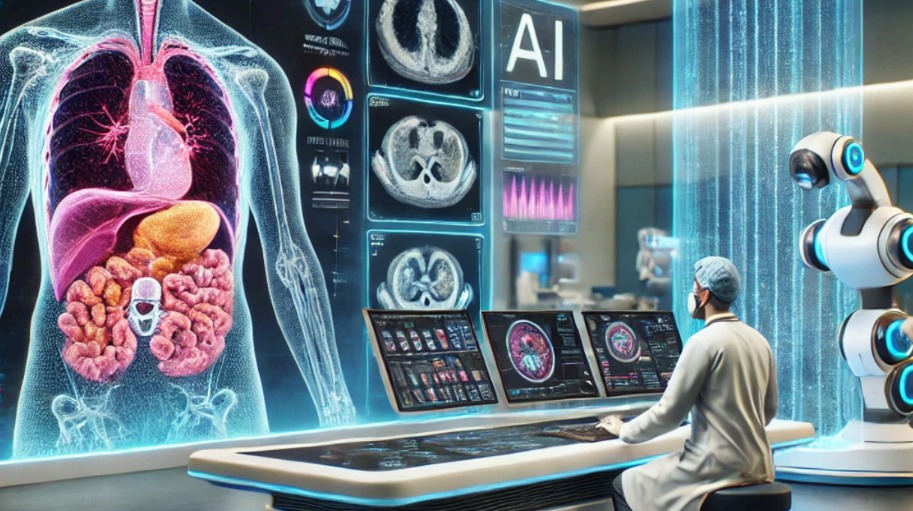
Amongst many new transformative developments in contemporary cardiology is the high emergence of artificial intelligence (AI) and something termed as precision medicine. The AI-operated diagnostic systems have been now made capable in the field of detection of subtle cardiac abnormalities with efficient accuracy, facilitating earlier intervention and enhanced patient outcomes. Furthermore,Machine learning algorithms can analyze specific convoluted imaging data and predict efficient disease progression at each stage, thus enabling personalized treatment plans that have been tailored to individual-based needs of patients. In addition, several wearable technologies that have been integrated with AI are performing large-scale screening by empowering continuous monitoring and early detection and identification of cardiovascular conditions (ACC, 2025) . These innovations highly signify the recent paradigm of the cascade of developments and an ultimate shift from traditional to preventive cardiology.
The recent developments have also reflected onto the introduction of the field of interventional cardiology along with minimally invasive procedures.Highly efficient catheter-based techniques have enabled clinicians treating blocked arteries under the influence of amyloidosis or any other plaque based disease for example, transerythrin protein based abnormalities in the structural and functional cardiac disease and to easily repair the blocked or damaged heart valves, and even implant the miniature cardiac devices with minimal surgical invasion and trauma.Hence such procedures are able to reduce hospital stay duration , significantly lower complication rates, and enhance drastically the recovery times. Simultaneously,the newly emerging field of regenerative medicine— that includes stem cell and gene therapy—have been offering promising routes for repairing damaged myocardial tissue and restoring cardiac functionalities like the heart rate,rhythm,rate of contraction and cardiac output. Additionally,Studies have indicated that gene therapy can rectify the underlying pathology of molecular defects, while stem cell therapies have contributed to myocardial regeneration, setting a significant step toward therapeutic treatment strategies (Addissouky et al., 2024).
In conclusion, recent breakthroughs further highlighted the rapid evolution of cardiac care. Novel therapies advancements such as RNA-based treatments have reflected onto the potential to regenerate heart tissue after heart attack or in the medical terms the condition of myocardial infarction, while the emergence of innovative ultrasound techniques like sonoperfusion have enhanced the blood flow and reclaim the damaged myocardium(the heart muscle) more effectively than conventional approaches. Moreover, emerging pharmacological agents,with the inclusion of advanced cholesterol-lowering drugs, are remarkably performing their efficient role in reducing the risk of first-time cardiac events, empowering the growing role of preventive therapeutics. Jointly ,these advancements prospect a hopeful future in which cardiac diseases are not only more manageable but conceivably reversible through progressive and advanced scientific interventions.

Comments