


Neuroscience of Parkinson’s Disease: Understanding Burden, Risks, and Digital Innovations
- Ifza Zia

- Feb 22
- 3 min read
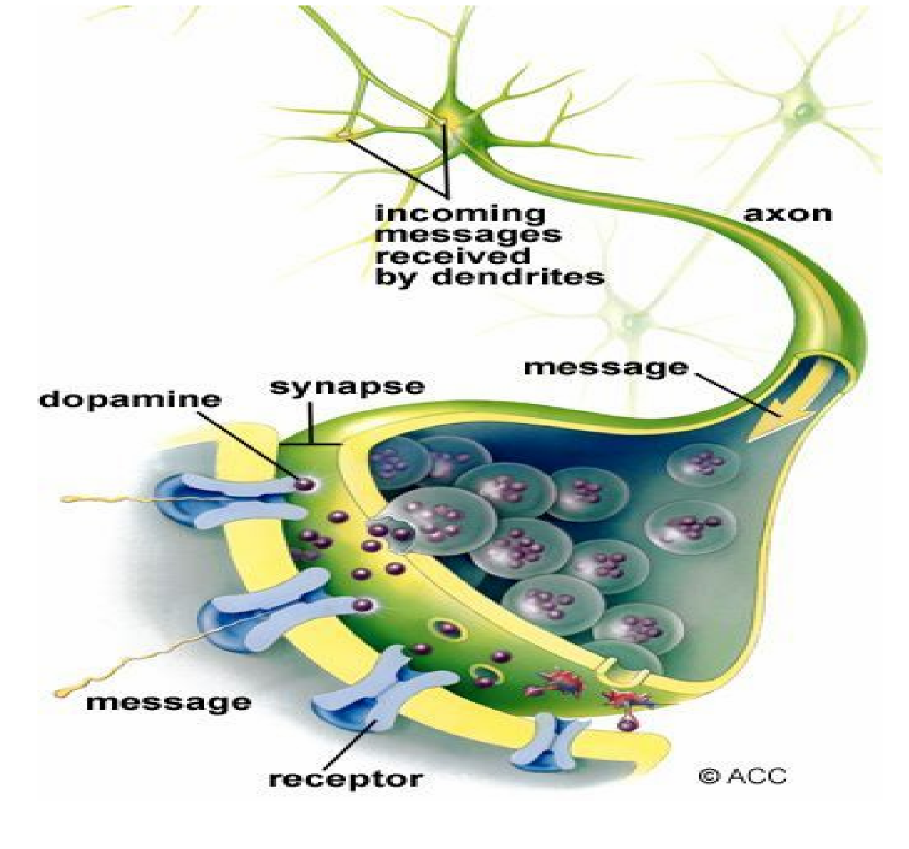
Neuroscience of Parkinson’s Disease:
Parkinson’s disease being - a long-term brain disorder that mostly affects the motor control of man's life. It majorly happens because dopamine-producing neurons in a part of the brain - the substantia nigra slowly die and get markedly reduced in number.
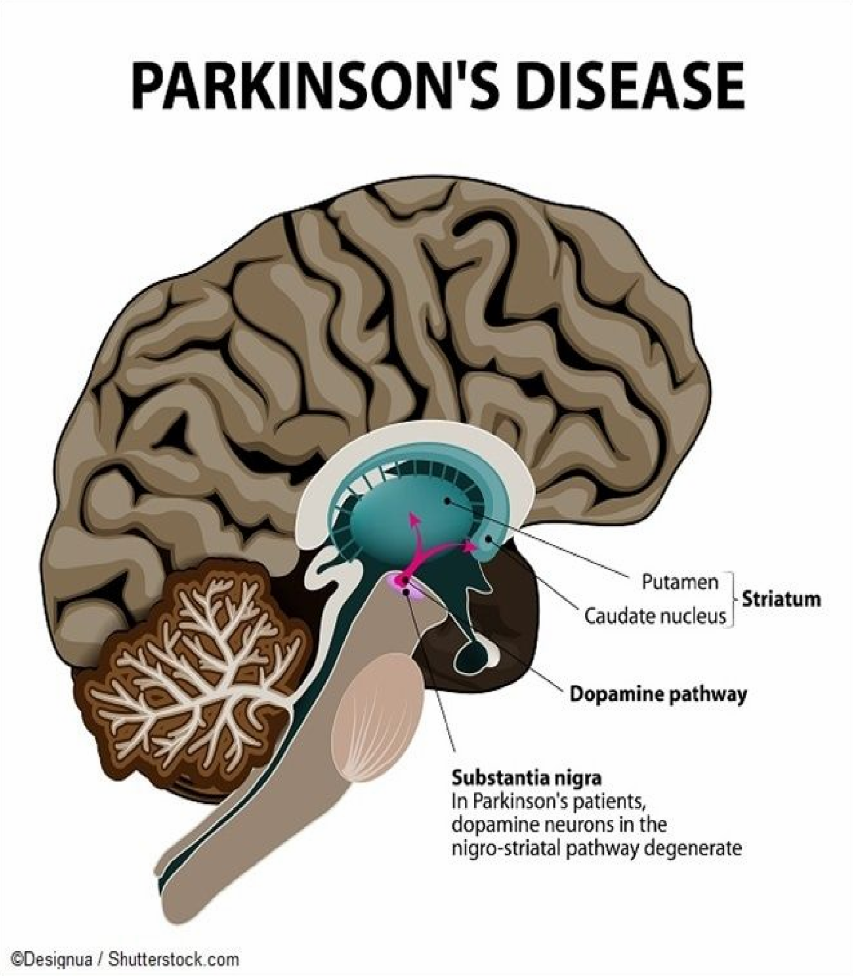
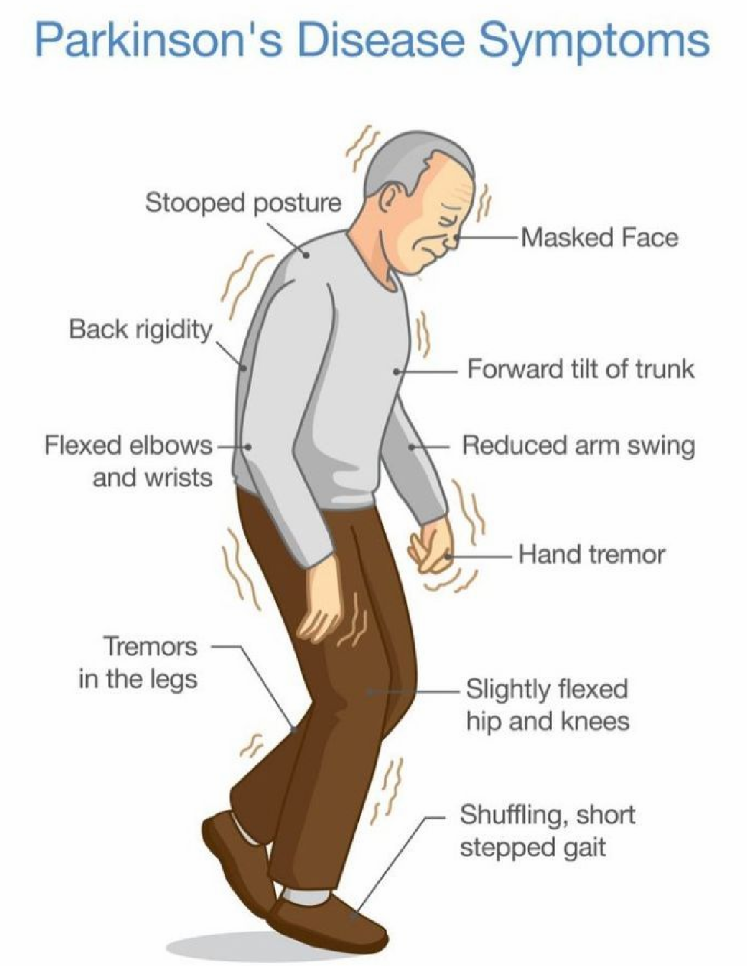
Dopamine - a neurotransmitter that has the function of helping the brain to control smooth movements, hence when the dopaminergic neurons get reduced in number and the overall count drops, symptoms such as the following start to appear; tremors, stiff muscles, slow-handled movement, and balance problems affecting the person's health . In addition to that, often a large number of patients report sleep issues and disturbances in the sleep cycle and they also complain of mild memory problems, anxiety, and even changes in sense of smell.
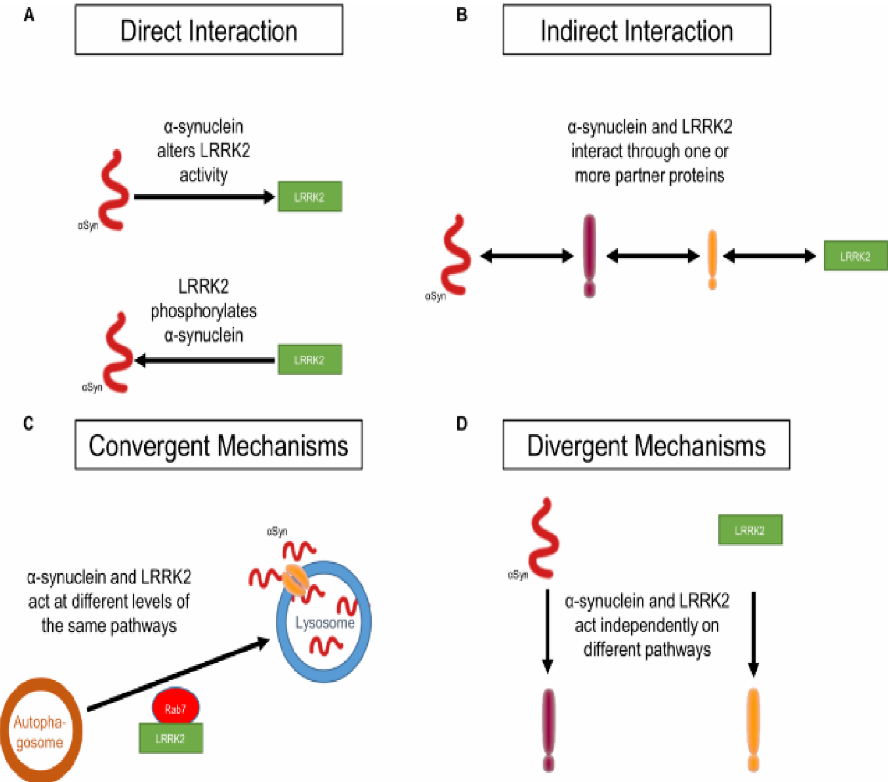
The pathophysiology behind all that lies the mechanism of building up of a protein named alpha-synuclein that builds up inside the neurons and results in formation of Lewy bodies, which majorly interfere with regular normal cell function and eventually lead to neuronal loss (Poewe et al., 2017).
Epidemiology:
Parkinson’s disease has been growing to be the rising neurodegenerative disease more worldwide, mostly because majority of people affected are the elderly and being reported by the doctors and healthcare staff. Almost 1% of people over 60 are majorly affected, with men being slightly more affected than women according to the statistics. Overall, the number of cases is expected to be increasingly enhanced, especially in countries afflicted with fewer healthcare facilities and resources. The general prevalence and dominance differ between certain regions, showing that factors like genetics, environment, and access to healthcare all matter and play a major role in treatment and diagnostic evaluation. By knowing the patterns, important hospitals and clinics can definitely plan better for patients and caregivers with the right coordination within the whole system (Dorsey et al., 2018).
Risk Factors:
The major factors revolve around age, as getting older is being reported as the biggest risk factor, but it’s not the only one, and the story goes behind the mechanism of genetics and evolution. Majorly, some prominent genetic changes, like in SNCA or LRRK2, make someone more prone to developing the specific disease, although most of cases happen randomly. Alongside the environmental exposures, majorly such as pesticides, heavy metals, and chemicals might also play a significant role.
Another highly noticed factor has been observed around the head injuries, which are linked to higher risk in development of the disease as reported by some studies. On the contrary, staying active and drinking coffee in moderation and the right amount might help with the awakening of the stimulant nervous system and may contribute to protecting the brain. Additionally, scientists are also looking at gut health and chronic inflammation as one of the factors involved and worsening the whole cascade of disease overall, which suggests that Parkinson’s could start to express years before obvious signs and appropriate diagnosis has been made.
Digital Advancements in Treatment:
Alongside the widened aspects of the advanced Technology it has been changing how Parkinson’s is being treated and on a large scale being monitored. Many useful equipments such as Wearable devices can play a wise role in the tracking process of tremors, walking, and a man’s daily activity, assisting doctors with the diagnostic procedure and presenting a better picture of how patients are doing outside the clinic and overall evaluation of the disease becomes easier. Many fruitful devices such as Smartphone apps also help patients keep themselves track of their symptoms and medications more easily and help them to treat their own disease in the best possible way.With the progression of the recent advancements such as Telemedicine-it makes it possible and feasible. for the people who have trouble traveling to talk to specialists from home and helping with the recent checkups and regular monitoring of their health and disease progression. Recently alot of newer therapies, like adaptive deep brain stimulation, can adjust automatically based on the precision of the human brain signals, that helps in the control of symptoms better and more effectively. In addition,Researchers are even exploring many AI tools to be able to predict how the disease might progress and support the crucial phase of earlier diagnosis, which could make care more personalized and targeted in the future healthcare system better and efficient for human health.



Comments