


Artificial Pacemakers: Regulating the Rhythm of the Heart
- Anika Shetty

- Apr 13
- 3 min read
The human heart is a muscular organ that pumps blood throughout the body. It does this continuously, sending oxygen and nutrients to cells and removing waste products at the same time. To achieve this properly and with efficiency, the heart must beat in a coordinated and regular rhythm. The regular rhythm of the heart is decided by a natural "pacemaker" found in the heart, called the sinoatrial node (SA node), which produces electrical impulses that cause each heartbeat.
Why Does The Heart Not Beat Correctly?
In some people, the natural pace of the heart does not work properly. This is called arrhythmias. Sometimes the heart beats too slowly (bradycardia), sometimes it beats too quickly (tachycardia), sometimes it beats in an uncoordinated way (arrhythmia). The ability of the heart to effectively pump blood is damaged when this happens. Because of this, oxygen cannot be delivered efficiently to the tissues of the body, potentially causing symptoms of dizziness, fatigue, fainting, or even shortness of breath.

What Is An Artificial Pacemaker?
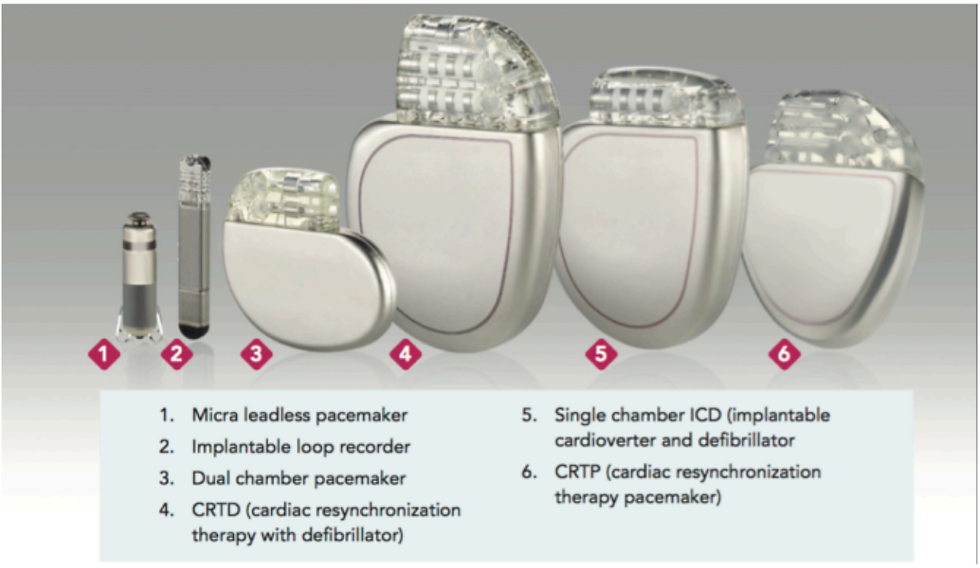
An artificial pacemaker is a small electronic device placed under the skin (usually near the chest) that works to control the heart's rhythm by sending electrical impulses to the heart when needed. An artificial pacemaker replaces or helps support the function of the heart's natural pacemaker.
There are two parts that a pacemaker is made up of:
The pulse generator: This contains a battery with electronic circuits that produce an electric impulse.
The leads: These are wires that take the electric impulses from the pulse generator and transfer them to the muscle within the heart.

How Does the Pacemaker Work?
A pacemaker operates by monitoring the rhythm of the heart continuously. If the heart is going too slowly or irregularly, the pacemaker sends an electrical charge to stimulate the heart muscle to contract. With this, the pacemaker will help to ensure that the heart beats regularly, as it is meant to.
The electrical signals that a pacemaker emits are designed to mimic the natural signals that the SA node of the heart emits to stimulate the heart to contract. The atria and ventricles in the heart will contract in a coordinated way, which will support the efficient flow of blood through a double circulatory system.
When Are Pacemakers Used?
Artificial pacemakers are most likely used for patients with severe bradycardia (abnormally slow heart rate), heart block (where the body’s wiring system is delayed or blocked in multiple portions of the heart), and certain types of arrhythmias.
The pacemaker will help deliver oxygen to all of the body’s tissues properly by ensuring each person’s heart rhythm functions normally.
The Benefits of Having a Pacemaker:
Maintain a normal heart rhythm
Improve circulation and oxygen supply to the body
Helps in reducing symptoms of fatigue and fainting
Allows people to resume activities of their normal daily routine

Potential Risks:
Pacemakers are mostly accepted as reliable but there are a few risks:
Surgical infection of implantation
Device malfunction
Battery service life of two to four years
Conclusion:
Artificial pacemakers offer significant advantages to modern medicine as they reinforce or replace the natural pacing mechanism of the heart, supporting or regulating the cardiac rhythm of the heart and providing a regular heartbeat. Which provides a constant and stable delivery of oxygenated blood to the body so that people who suffer from an irregular heart rhythm are able to live a more active and healthier lifestyle.

Comments