


Next-Generation Sequencing and It's Pivotal Role in Modern Genetics
- Ifza Zia

- Jul 13
- 4 min read
Updated: Jul 13
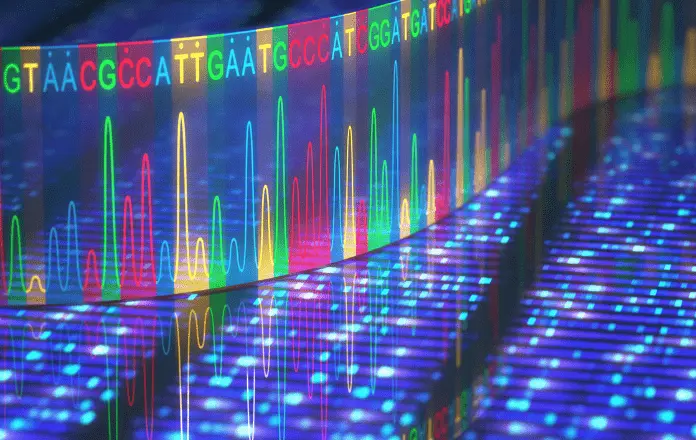
Next-Generation Sequencing (NGS) has rapidly transformed the field of genetics by resulting in the production of rapid, accurate, and cost-effective analysis of DNA and RNA and many other nucleic acid entities.Indifferent to traditional Sanger sequencing, which involves sequencing of one DNA fragment at a time, NGS can sequence millions of fragments simultaneously, allowing researchers and clinicians to actually investigate entire genomes, exomes, and transcriptomes in a one single-time experiment. Through this breakthrough in genomics advancement not only the field various fields have advanced but particularly biomedical research, disease diagnosis, precision medicine, and drug development have largely been benefitted from all of this.
What Is Next-Generation Sequencing?
Next-Generation Sequencing is an advanced technique used with the aim and objective of provision of high-throughput DNA sequencing technology that aids in the determination of the order of nucleotides in genetic material. It also generates enormous amounts of genomic data in a least amount of time,making it possible in the identification of genetic mutations, structural variants, and gene expression patterns with remarkable precision.Commonly used NGS platforms include the famous ones being Illumina sequencing, Ion Torrent sequencing, PacBio Single Molecule Real-Time (SMRT) sequencing, and Oxford Nanopore sequencing.
Applications of NGS:
It helps in the diagnosis of genetic disorders and has been greatly improved by the identification of the pathogenic variants that are responsible for rare and inherited diseases using whole-genome sequencing (WGS), whole-exome sequencing (WES), and by the utilization of targeted gene panels, which enable earlier-stage diagnosis and improved patient management with better outcomes. NGS has also served as the underlying foundation of precision medicine by enabling tailored treatments according to an individual's own genetic profile, thereby enhancing therapeutic efficacy and reducing adverse drug reactions. In the field of oncology, NGS enables the provision of comprehensive tumor genomic profiling to help in the identification of driver mutations, predictive biomarkers, and therapeutic targets, simultaneously supporting treatment monitoring and regulation and minimal residual disease detection via liquid biopsy. With regards to infectious disease surveillance, it enables the rapid identification of bacterial, viral, fungal, and parasitic pathogens, monitors antimicrobial resistance, tracks disease outbreaks, and detects emerging variants. Furthermore, NGS has also contributed to advancements in prenatal and reproductive genetics via non-invasive prenatal testing (NIPT), carrier screening, and preimplantation genetic testing during in vitro fertilization (IVF), improving reproductive decision-making and reducing the high alert risk of transmission of hereditary disorders. While focusing on the pharmacogenomics field, it helps in the identification of genetic polymorphisms affecting drug metabolism, allowing personalized and tailored drug selection with the aim to increase therapeutic benefit while reducing toxicity. Conclusively, RNA sequencing (RNA-Seq), a key NGS application, enables overall comprehensive analysis of gene expression and transcriptomics, while providing valuable insights into disease mechanisms, biomarker discovery, and cellular responses to environmental and therapeutic interventions.
Advantages of Next-Generation Sequencing:
NGS has numerous advantages over conventional or traditional sequencing methods. With the provision of high output,allowing millions of DNA fragments to be sequenced simultaneously in the moment, it helps in greater sensitivity for detection of rare genetic variants, simultaneously reduced sequencing costs per base, faster turnaround times, and provision of comprehensive genomic coverage.Furthermore,NGS supports multiple applications,including DNA sequencing, RNA sequencing, epigenetic analysis, and metagenomics.
Challenges and Limitations:
Alongside multiple advantages, NGS holds several challenges, for example large datasets requiring sophisticated bioinformatics tools for storage, analysis, and interpretation. Furthermore, the process of distinguishing clinically significant variants from benign genetic changes poses a difficult challenge in it's self, especially for type of variants of uncertain significance (VUS). There are multiple ethical concerns regarding genetic privacy, informed consent, incidental findings, and data sharing must also be carefully addressed.Lastly, the process of implementation of NGS requires specialized and specific laboratory equipments and trained personnel involvement
Future Perspectives:
The future of NGS has been recently closely linked with advancements in the field of artificial intelligence, machine learning, and multi-omics integration. In addition, AI-driven analysis also contributes to variant interpretation and decision-making in the view of clinical medicine. The new advancements, such as long-read sequencing technologies, will enhance the detection of structural variants and complex genomic regions found in the nucleic acid sequences. Various techniques such as single-cell sequencing, spatial transcriptomics, and real-time nanopore sequencing have been developed with great expectation to provide deeper insights into the advanced field of cellular biology and disease mechanisms. With the rapid decline in sequencing costs, NGS is progressively likely to become an integral part of routine clinical practice across the globe.
Conclusion:
Next-Generation Sequencing has primarily changed the whole landscape of genetics by providing comprehensive genomic information that aids disease diagnosis, precision medicine, cancer research, infectious disease surveillance, reproductive health, and pharmacogenomics. In spite of various challenges based on data interpretation, infrastructure, and ethics remaining in the same place, ongoing technological innovations and advancements continue to expand its clinical and research utilization. As the field of genomic medicine evolves, NGS will remain a critical and viable technology that also becomes the driving force of personalized healthcare and scientific discoveries ahead in genomics.
Bibliography:
Goodwin, S., McPherson, J. D., & McCombie, W. R. (2016). Coming of age: Ten years of next-generation sequencing technologies. Nature Reviews Genetics, 17(6), 333–351. https://doi.org/10.1038/nrg.2016.49�
Behjati, S., & Tarpey, P. S. (2013). What is next generation sequencing? Archives of Disease in Childhood: Education and Practice Edition, 98(6), 236–238. https://doi.org/10.1136/archdischild-2013-304340�


Comments